A Journey Through Time: Resurrecting Classic Opera & Concert Elegance
The Historical Allure of Opera and Concert Dresses
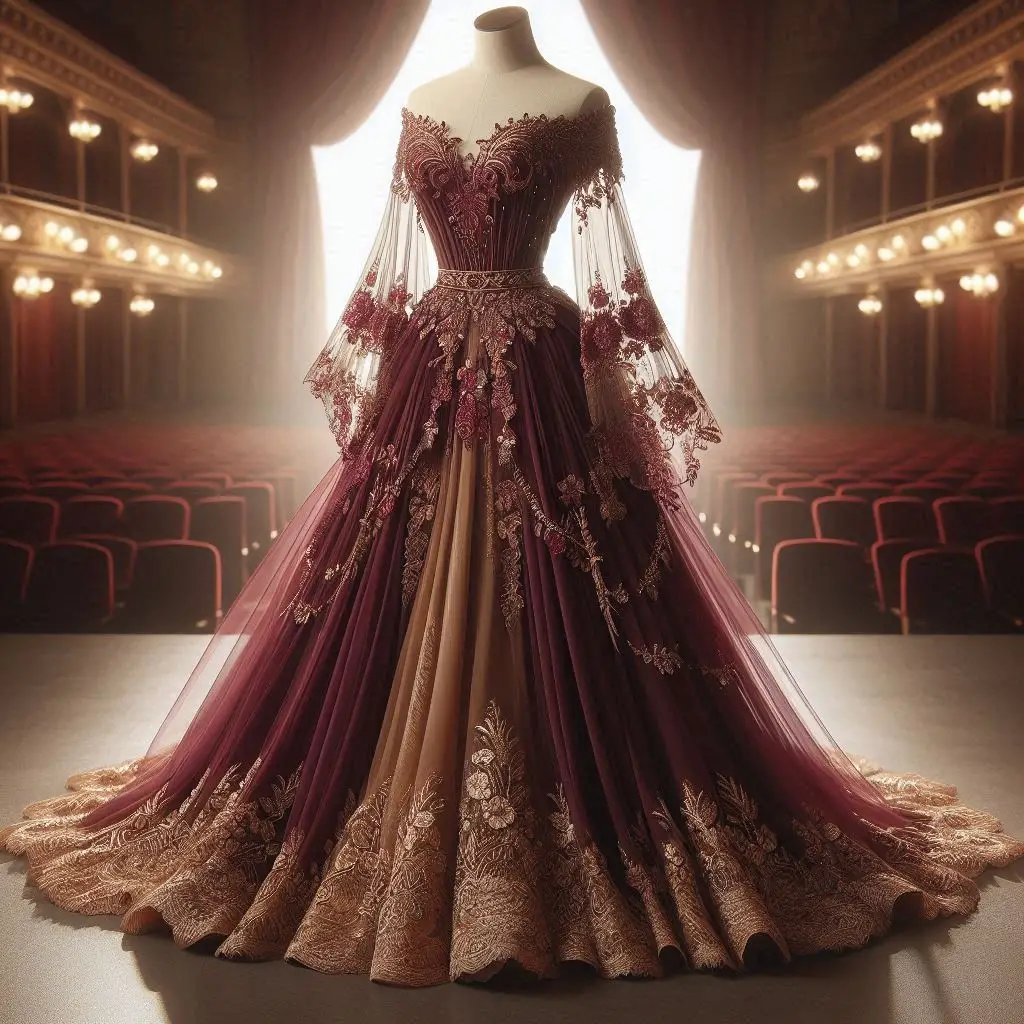
Opera and concert dresses have long held a special place in fashion history, symbolising elegance, artistry and the thrill of a night out. From the grand opera houses of the 19th century to today’s modern concert halls, these gowns were never just clothing—they were statements of status, taste and cultural sophistication.
In the Victorian and Edwardian eras, attending the opera was a social event as much as a musical one. Women wore lavish silk gowns, lace gloves and opulent jewellery, using the occasion to showcase refinement and affluence. As the decades progressed, styles evolved with cultural shifts: the sleek, beaded gowns of the 1920’s reflected modern glamour; the structured silhouettes of the 1950’s celebrated post-war optimism; and the dramatic, sculptural couture of the late 20th century echoed the theatricality of the performances themselves.
What remains constant is the sense of ceremony. Opera and concert attire continues to inspire designers and vintage lovers alike because it represents more than fashion—it captures a moment in time when dressing up was a ritual, a celebration of culture, and an expression of personal grandeur. Whether antique or contemporary, these dresses remind us of the enduring romance between music, elegance and the art of making an entrance.
Influences of Iconic Designs and Seamless Modern Integration
Fashion’s most memorable eveningwear designs—from Dior’s New Look gowns to the bias-cut mastery of Madeleine Vionnet—continue to shape how we approach modern opera and concert style. These iconic silhouettes, fabrics and embellishments have left a lasting imprint on formalwear, influencing everything from red-carpet couture to the elegant pieces seen in today’s boutique collections.
Designers frequently draw inspiration from history’s greats: the romantic draping of early 20th-century couture, the architectural volumes of mid-century ballgowns, and the effortless glamour of Old Hollywood. These elements reappear in contemporary pieces through refined updates—lighter fabrics, minimalist cuts, sustainable materials and subtle metallic accents. The result is a harmonious blend of nostalgia and innovation.
This seamless integration of past and present keeps evening fashion fresh while preserving its heritage. Modern opera and concert dresses remain deeply connected to iconic designs, yet they evolve with today’s style sensibilities, proving that timeless elegance can be endlessly reimagined.
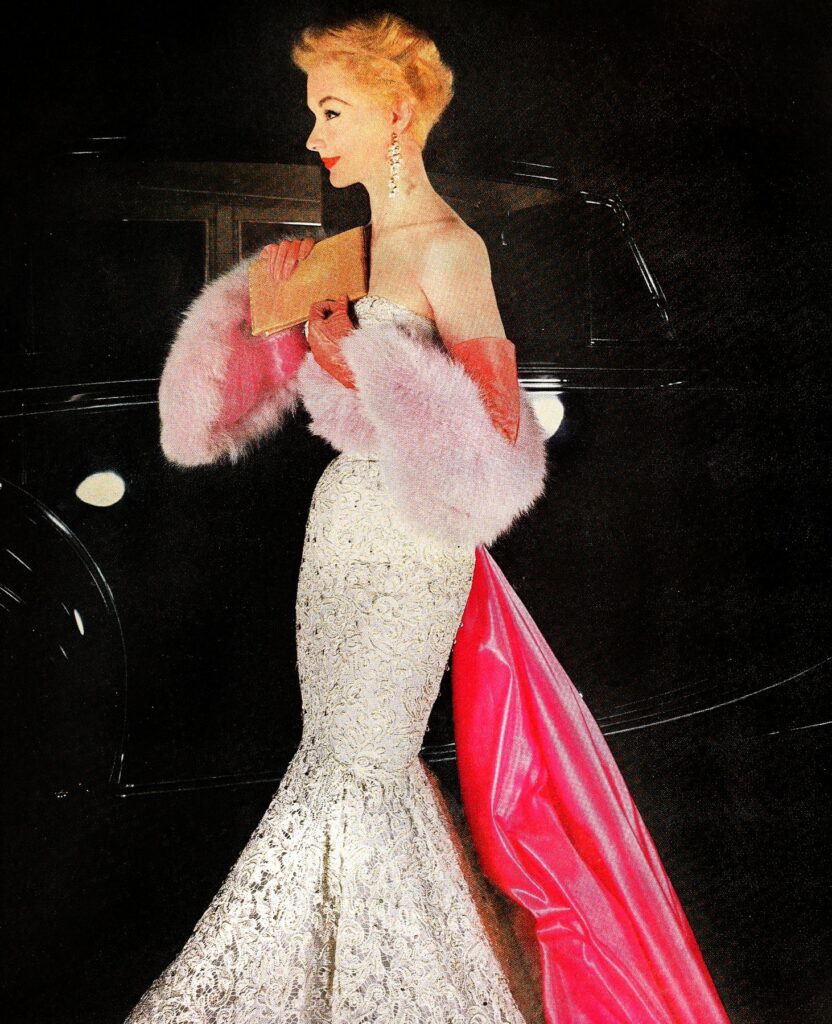
The Role of Fabric, Color, and Texture in Vintage Dressmaking
Vintage dressmaking is defined as much by its craftsmanship as by the materials that bring each garment to life. Fabric, colour and texture were not simply aesthetic choices—they were the foundation of a dress’s personality, movement and mood.
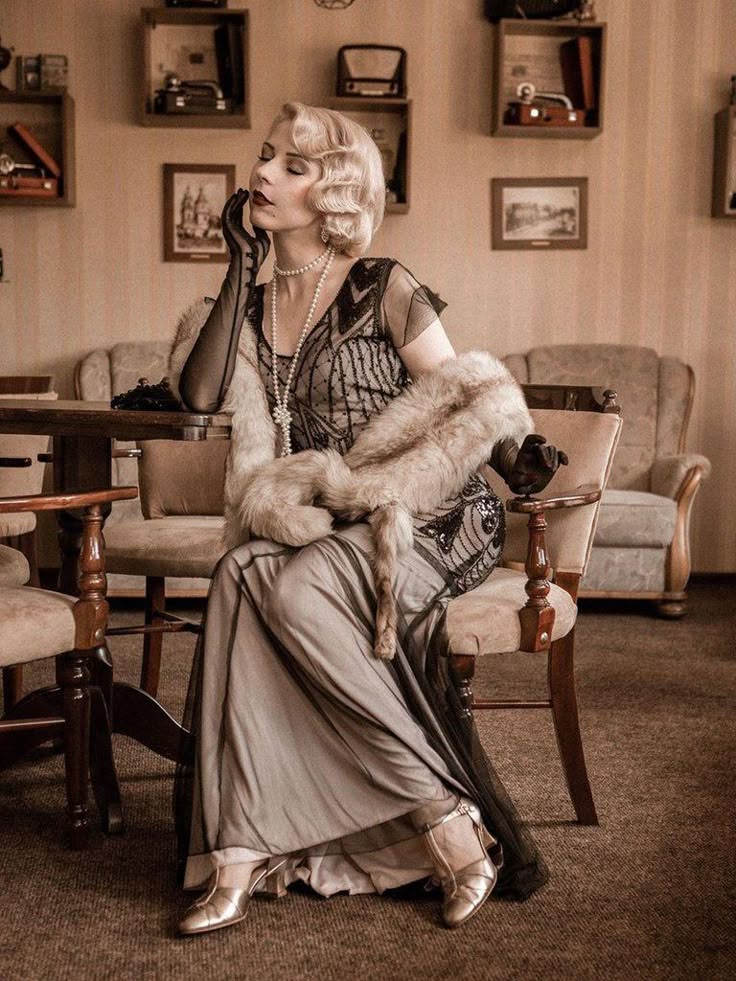
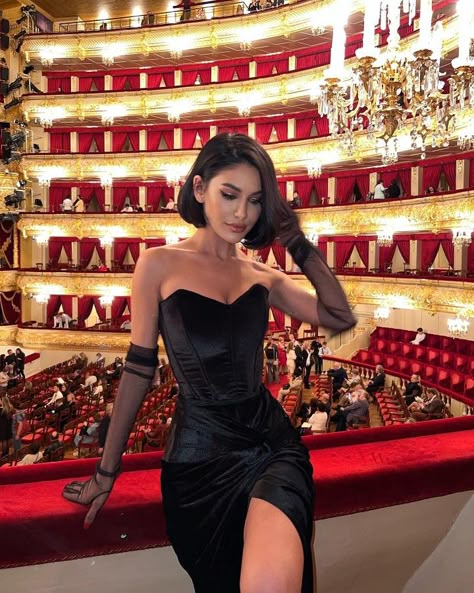
Silk, satin and chiffon dominated early- to mid-20th-century eveningwear, chosen for their luxurious drape and ability to catch the light during an opera performance or ballroom entrance. Velvet added depth and richness, especially in winter gowns, while tulle and organza created ethereal silhouettes that floated with every step.
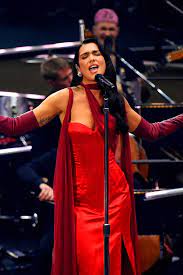
Colour palettes also reflected the social and cultural spirit of each era. The 1920’s favoured soft pastels and shimmering metallics, echoing the glamour of jazz-age nightlife. The 1950’s embraced bold reds, sapphire blues and classic black—tones that conveyed confidence and feminine sophistication. Even muted neutrals, when combined with textured lace or embroidery, offered a quiet elegance.
Texture tied everything together. Intricate beadwork, sequins, brocade patterns and hand-stitched embellishments added dimension, storytelling and artistry. These tactile elements gave vintage dresses their signature charm, making each piece feel unique and intentionally crafted.
Together, fabric, colour and texture shaped garments that were more than fashion; they were expressions of era, emotion and craftsmanship—qualities still admired and emulated by designers and collectors today.
Significant Opera and Concert Dresses Through Decades
Opera and concert fashion has evolved alongside cultural shifts, design movements and changing expectations of glamour. Each decade brought its own interpretation of elegance, leaving behind iconic silhouettes that continue to inspire modern formalwear.
1920’s – The Jazz Age Sparkle
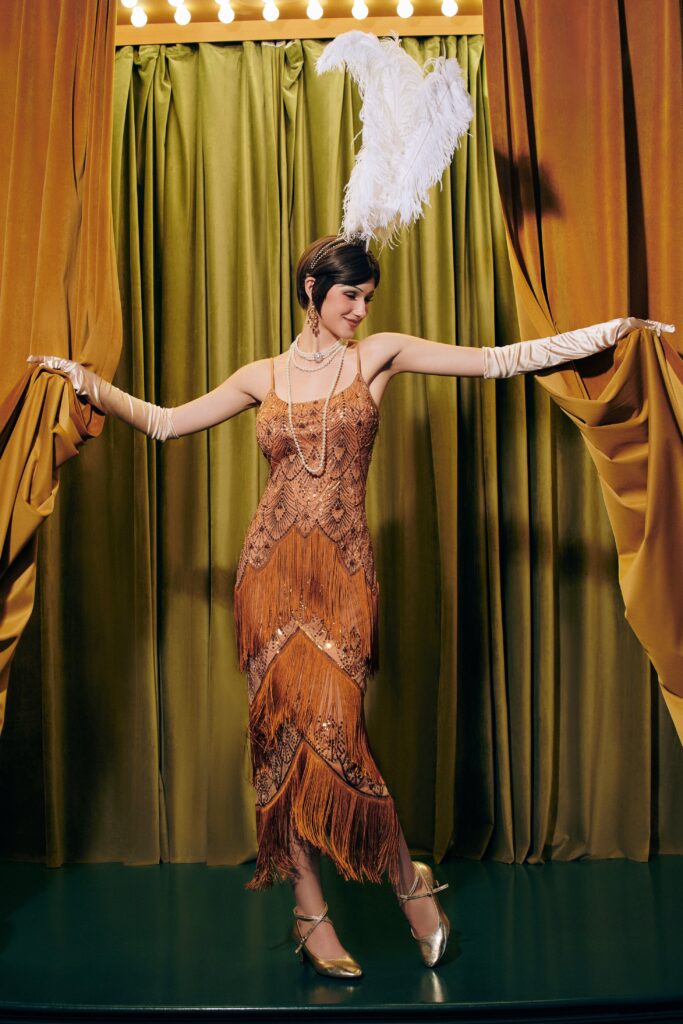
The 1920’s captured the spirit of liberation with beaded flapper-style evening dresses. Dropped waists, intricate Art Deco beadwork and shimmering metallic threads made these gowns perfect for a night of music and celebration. Their fluidity and sparkle embodied the era’s newfound freedom and bold modernism. Plus size flappers look find your perfect style here. While other Flapper inspired gowns are available here through Zapak Vintage today.
1930’s – Hollywood’s Golden Glamour
Bias-cut satin gowns defined this decade, with designers like Vionnet and Schiaparelli shaping dresses that clung gracefully to the body. These gowns glowed under soft lighting, mirroring the elegance seen in silver-screen stars attending premieres and concerts. Effortless, sculpted femininity became a hallmark of evening style. Retro stage offer some alternative styles to 30’s glamour – learn more here.
1950’s – Sculpted Silhouettes and Grand Entrances
Post-war optimism revived dramatic ballgowns: cinched waists, full skirts and luxurious fabrics like taffeta and silk mikado. Opera-goers embraced sophisticated glamour, often complemented by gloves, shawls and sparkling jewellery. These were dresses designed for impact—structured, regal and deeply feminine. Scroll through this page to find some formal 50’s gowns at Retro Stage today.
1960’s–70’s – Modern Minimalism Meets Statement Detail
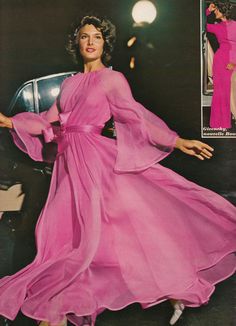
The 60’s introduced sleeker lines, mod influences and bolder colour choices, while the 70’s welcomed flowing chiffon, Grecian draping and glamorous metallics. Eveningwear became more expressive, whether through fluid goddess silhouettes or dazzling disco-era sparkle, reflecting the changing social landscape. Plus sizes reflected here – find yours today. And, Some classic 60’s styles found online at Retro Stage – look through these styles here.
1980’s – Bold Drama and Theatrical Flair
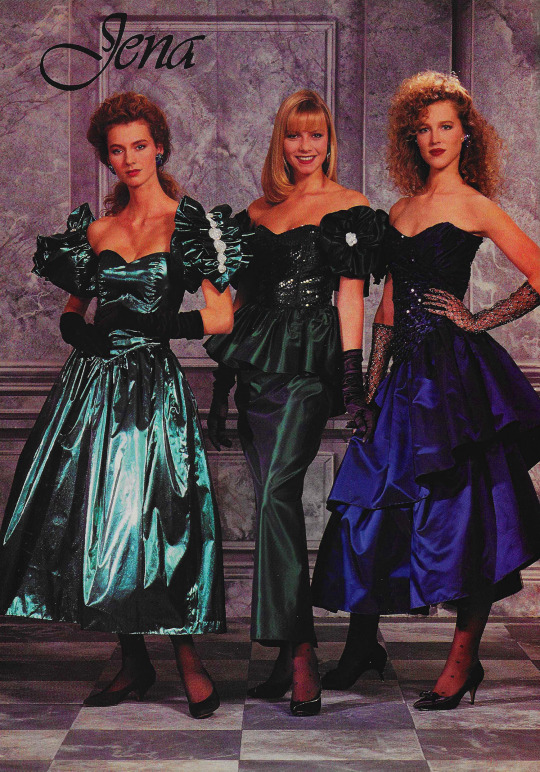
Opera fashion aligned with the decade’s love of extravagance. Think power shoulders, voluminous skirts, rich velvet and jewel tones. Designers weren’t afraid of drama, embracing shapes and embellishments that mirrored the theatricality of the performances themselves. For plus sizes try these alternatives here. Short and vibrant dresses are located through Amazon online today. Versatile jumpsuits also could befit an opera or concert outing, learn more here.
1990’s – Minimalist Elegance
The 90’s pared everything back. Slip dresses in silk, clean lines and understated chic became the standard. Inspired by Calvin Klein and streamlined couture, opera-goers leaned toward refined simplicity—letting fabric quality and silhouette speak for themselves. Not many of these styles around, but if you can repurpose or alter something here, then it could be an original, learn more today.
2000’s to Today – Timeless Revival and Innovation
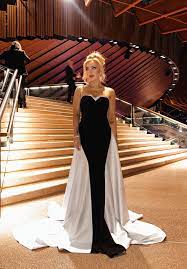
Modern opera and concert dresses draw from all past decades: bias cuts, structured bodices, metallic embellishments and sustainable luxury fabrics. Contemporary designers mix history with innovation, producing gowns that balance nostalgia with fresh, modern interpretations. Here are some lovely choices for modern day gala dresses at Zapaka.
Across every era, opera and concert dresses have served as cultural markers—reflecting shifts in artistry, status, femininity and self-expression. Their evolution is a visual timeline of style itself, proving that the magic of dressing up for the arts is truly timeless.
As an affiliate, I may receive a small commission when you click on a link to purchase through this post
Re-envisioning Classic Designs to Fit Modern Tastes and Comfort
Today’s fashion world is rediscovering the charm of vintage opera and concert dresses—but with a fresh twist that suits contemporary lifestyles. Designers are taking the most beloved elements of classic eveningwear and adapting them to meet modern expectations of comfort, versatility and ease.
Historic silhouettes such as corseted bodices, full skirts and elegant draping are now reinterpreted with lighter fabrics, flexible boning and breathable linings. Where once glamour meant sacrificing comfort, modern gowns achieve both through thoughtful construction and innovative textiles. Stretch satins, sustainable silks and soft chiffons allow movement that feels natural, not restrictive.
Aesthetic updates also help bridge past and present. Traditional embellishments—pearls, beadwork, embroidery—are used with a lighter hand, creating refined sparkle without overwhelming the wearer. Colour palettes have broadened too, expanding beyond classic jewel tones to include soft neutrals, modern metallics and muted pastels that appeal to contemporary minimalism.
The result is a harmonious blend of nostalgia and function. By preserving key elements of classic design while prioritising modern comfort, today’s reinterpretations allow people to enjoy the grandeur of vintage-inspired style without the constraints. It’s a celebration of timeless elegance—designed for real life.
Challenges and Risks in Reprising Vintage Style
Recreating vintage style for modern wear is an appealing pursuit, but it comes with its own set of challenges and considerations. While the allure of classic opera and concert dresses is undeniable, bringing these looks into the present day isn’t always straightforward.
One of the biggest challenges is balancing authenticity with wearability. True vintage garments often relied on rigid construction, delicate fabrics or hand-sewn embellishments that aren’t practical for contemporary lifestyles. Reproducing those elements exactly can result in garments that feel restrictive, fragile or high-maintenance. Yet altering them too much can dilute the historical character that makes the style so enchanting.
There’s also the issue of sourcing materials. Many fabrics used decades ago—such as certain silks, brocades or specialty trims—are no longer produced or are prohibitively expensive. Modern substitutes may behave differently, affecting the drape, shine or structure of the final design. This can make it difficult to achieve the same visual effect while maintaining durability and comfort.
Another risk lies in over-romanticising the past. While vintage aesthetics are lovely, not all silhouettes translate well to contemporary body diversity, movement needs or cultural expectations. Designers must be careful not to replicate outdated ideals of fit or femininity, ensuring inclusivity and adaptability remain central to their approach.
Finally, there’s the challenge of avoiding costume-like results. Without thoughtful interpretation, vintage-inspired pieces can appear theatrical rather than stylish, especially when iconic elements are copied too literally. Successful revival requires restraint, curation and an understanding of what details feel timeless versus nostalgic.
Despite these challenges, the fusion of vintage and modern remains deeply rewarding. With careful design choices and a respect for both history and practicality, it’s possible to honour the beauty of the past while creating pieces that feel fresh, wearable and relevant today.
Prominent Designers and Tailors Specializing in Vintage Revivals
Prominent Designers and Tailors Specializing in Vintage Revivals
The revival of vintage aesthetics—especially those inspired by opera, concert and formal eveningwear—has attracted a devoted circle of designers and ateliers who specialise in blending historical craftsmanship with modern sensibilities. These creators draw from iconic decades, rare techniques and couture-level detailing to reimagine classic glamour for today’s wardrobes.
1. Marchesa
Known for romantic draping, ornate embroidery and old-Hollywood silhouettes, Marchesa often incorporates 1930’s–1950’s influences. Their gowns channel red-carpet nostalgia while remaining distinctly contemporary.
2. Jenny Packham
A favourite for evening and bridal wear, Packham’s designs echo 1920’s and 1930’s glamour through beadwork, bias cuts and soft, fluid fabrics. Her pieces often feel like modern heirlooms.
3. Elie Saab
Elie Saab’s ultra-luxurious gowns are inspired by mid-century couture and the golden age of opera fashion. His use of lace, crystals and delicate tulle creates a timeless, ethereal look with vintage undertones.
4. Vivienne Westwood
Westwood masterfully blends historical structure with rebellious elegance. Her corsetry, draped bodices and baroque silhouettes borrow heavily from 18th–19th century dressmaking, reimagined through a bold modern lens.
5. Reem Acra
Celebrated for intricate embellishment and classic silhouettes, Acra channels old-world craftsmanship with contemporary precision. Her eveningwear often references opera-ready romance and refined vintage glamour.
6. Zac Posen (Archive Influence)
Although his primary label closed, Posen’s signature structured gowns still influence vintage-inspired designers today. His sculptural silhouettes paid homage to 1940’s and 1950’s couture.
7. Karen Willis Holmes (Australia)
This Australian designer blends vintage charm with modern practicality. Her bead-embellished gowns and soft silhouettes often reflect 1920’s and 1930’s inspiration, ideal for refined evening events.
8. House of Dior (Couture)
Dior continues to honour its rich heritage—especially the 1950’s New Look—through sculpted silhouettes, cinched waists and exquisite tailoring that feel both classic and current.
9. Independent Tailors & Specialists in Vintage Revival
These artisans often provide the truest vintage reinterpretations, using historical patterns or couture techniques:
- Katherine Feiner – known for delicate, nostalgic silhouettes.
- Lena Hoschek – Austrian designer specialising in mid-century and retro glamour.
- Retrospec’d (Australia) – modern recreations of 40’s–60’s styles focusing on authenticity and wearability.
10. Couture Atelier Makers
Private ateliers and custom dressmakers around the world often specialise in historically inspired gowns. They recreate vintage pieces using bespoke fits, archival techniques and rare textiles—perfect for those wanting a made-to-measure revival with authenticity.
These designers and tailors keep the spirit of classic eveningwear alive, proving that vintage glamour can be both nostalgic and wonderfully wearable.
Thanks for choosing opera or concert dresses for my latest post, it has been an interesting and exciting topic to talk about.
Any comments can be left below, or simply follow us on our socials here:
https://www.facebook.com/vintageclothesandaccessoriesaustralia